MUSING
The Tyranny of Fun: How Enjoyment Became an Obligation
For centuries, pleasure was a temptation, a distraction, something to be earned or resisted.
22 February 2025 · 3 min · Kate
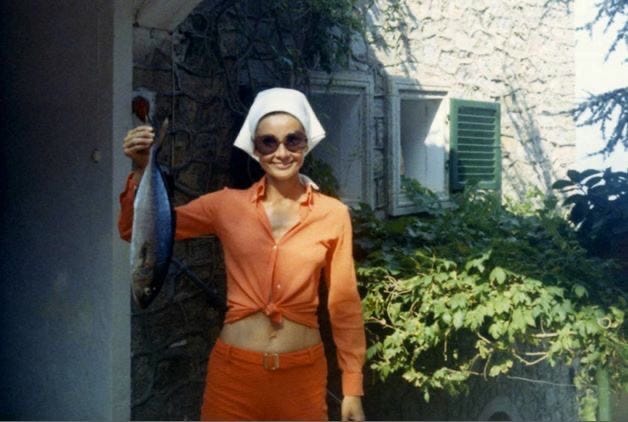
For centuries, pleasure was a temptation, a distraction, something to be earned or resisted. Now, it is an expectation—curated, optimised, and, above all, visible. In a world where joy has become obligatory, have we lost the ability to enjoy ourselves at all?
At some point, fun became more than a pastime.
It became a duty.
A moral imperative.
A metric of success.
If you are not having fun—documented, aesthetic, enviable fun—then you are doing life wrong.
This was not always the case.
The ancient Greeks, who had a term for nearly every shade of human experience, distinguished between eudaimonia—a deeper, more meaningful flourishing—and hedonia, the fleeting pleasure of indulgence.
Aristotle placed virtue at the centre of a life well-lived; the Stoics viewed pleasure with suspicion, a dangerous seduction away from duty. Even as late as the 20th century, thinkers from Max Weber to Susan Sontag approached pleasure with ambivalence: was it liberation, or was it distraction?
Today, the pendulum has swung.
If the 20th century was an age of self-denial—of productivity as virtue, of seriousness as substance—then the 21st century has overcorrected.
Now, the measure of a life is not just whether one has achieved, but whether one has enjoyed.
Fun is no longer spontaneous; it is an expectation. It must be curated, performed, and, most importantly…
seen.
And so we chase it.
Relentlessly.
Obsessively.
We chase it in Aperol Spritzes on European terraces, in festivals that promise transcendence, in wellness retreats that charge thousands for the privilege of mandatory relaxation.
We chase it with the intensity of a Protestant work ethic applied to leisure—booking, scheduling, maximising.
We cannot simply be; we must be enjoying. And if we are not, we must ask why.
But here lies the paradox: the harder we pursue fun, the more elusive it becomes.
The existentialists knew this well. Sartre’s nausea, Camus’ absurdism—both reflect the creeping sense that, when scrutinised too closely, joy disintegrates.
The most pleasurable moments of our lives are almost always accidental, stumbled upon rather than sought.
There is a reason the best nights out are the ones you didn’t plan.
Yet in an age of optimisation, we refuse to leave pleasure to chance. We impose structures, rules.
Enter the Moralists of Pleasure—the Instagram wellness coaches, the TikTok lifestyle gurus, the LinkedIn thought leaders who remind us that fun is essential to success, that balance is a duty, that burnout is a personal failing rather than an inevitable consequence of late-stage capitalism.
The 19th-century philosopher, Mill, warned that happiness, when pursued directly, evades us. “The only chance,” he wrote, “is to let it creep in as a by-product of some other pursuit.”
Today, we have ignored this entirely. Fun is no longer a by-product; it is the goal. But in making it the goal, we strip it of its essence.
And so we find ourselves trapped. Trapped in a culture where pleasure is not just an option, but an expectation.
Trapped in the exhausting pursuit of maximum experience.
Trapped in the quiet suspicion that, despite everything, we are somehow missing out.
What if we stopped trying?
What if fun was allowed to be what it once was—unpredictable, unstructured, unforced?
What if we did not demand that every moment be joyful, but let joy find us where it will?
Perhaps then, finally, we might enjoy ourselves.
Hellooo lovely reader! Pleasure is a strange thing. So universal, yet so deeply personal. Have you ever felt the quiet pressure to enjoy something that left you cold? Or found joy in the unexpected, the unremarkable? I’d love to hear your thoughts, please do leave a comment ❤️