BOOK REVIEW
Some Thoughts on Language, Colonial Power, and the Myth of Perfect Translation
Inspired by our WSCA book club’s reading of Babel by R.F.
23 February 2025 · 2 min · Kate
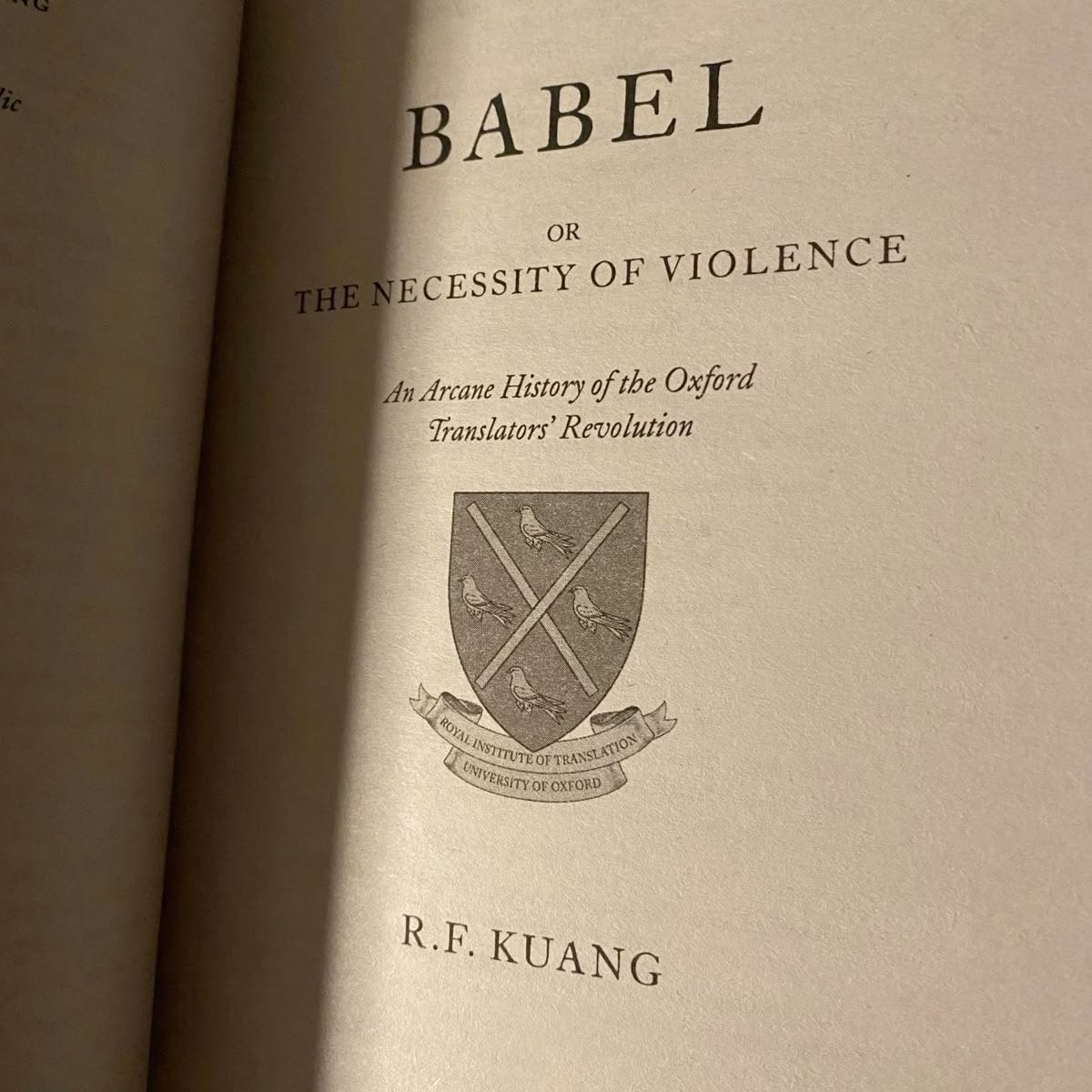
Inspired by our WSCA book club’s reading of Babel by R.F. Kuang, I’ve been thinking about how language is never neutral. It shapes empires, distorts truth, and decides who gets to be heard. From the quiet betrayals of translation to the overt weaponisation of words in colonial rule, this review briefly explores the inescapable politics of language and asks: if every word is an act of power, how do we wield it with intent?
Language is power.
Not in the benign, TED Talk way—"words shape our reality"—but in the cold, imperial sense.
Conquerors do not merely take land; they take tongues. They rename rivers, cities, even people.
To erase a language is to erase a way of thinking, a way of being.
Orwell was not being hypothetical when he wrote about Newspeak.
Colonialism, both old and new, understands this intimately: control the words, and you control the world.
And yet, language is also unstable, unfaithful.
A blunt weapon at times, a slippery trickster at others.
Even in its most careful form, it betrays us.
No phrase translates perfectly, no poem survives the journey unscathed.
Take Heine’s "Ein Fichtenbaum"; a German poem, made Russian, made English. Untranslateable.
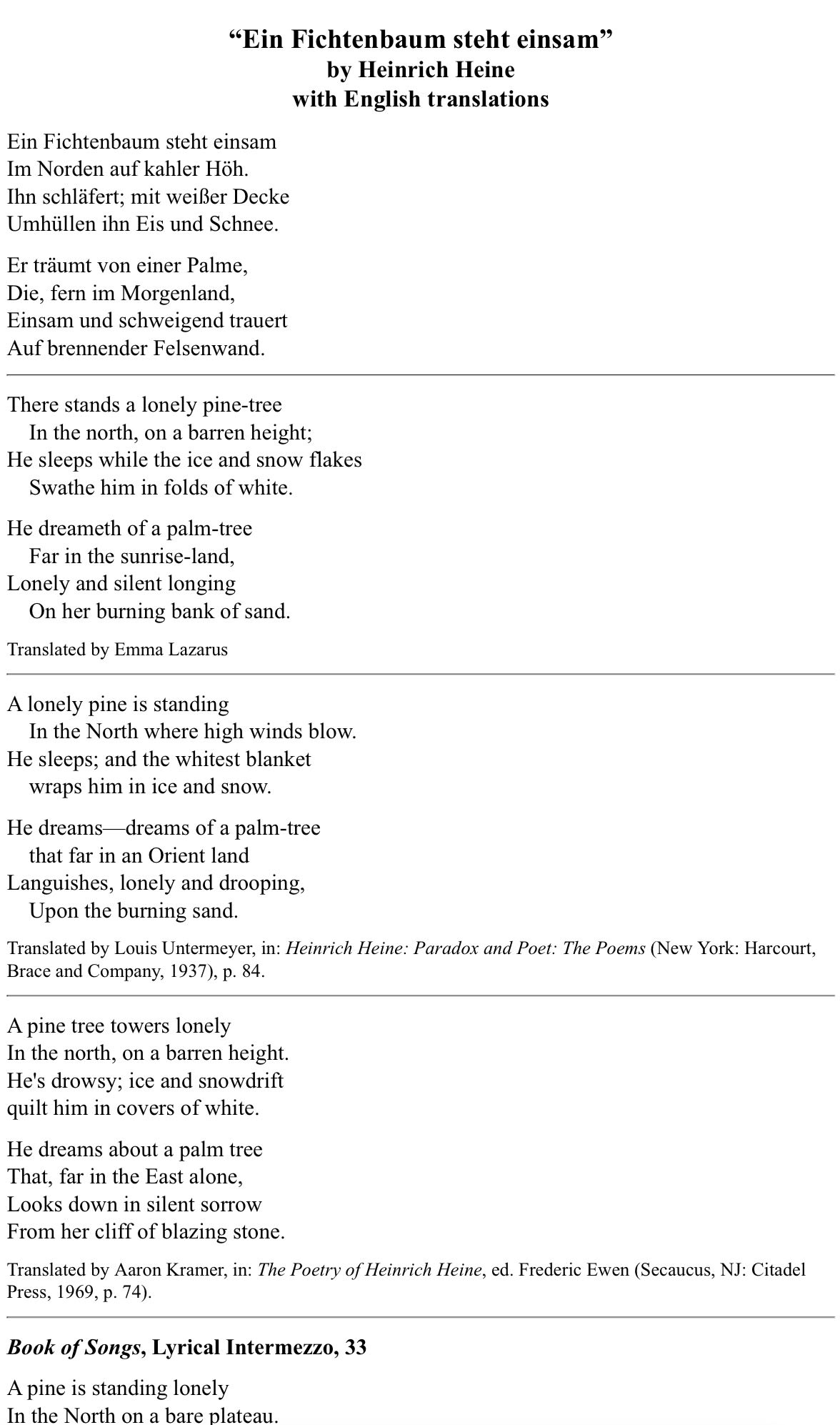
A fir tree stands alone in the north, dreaming of a distant palm. Is it about love? Loneliness? The tragedy of wanting something forever out of reach?
Meaning shifts, warps, fractures.
This is because translation isn’t just about words but about choosing which reality to preserve.
The original German version has this quiet, stoic loneliness, but when translated, it becomes something else entirely—yearning, almost romantic. Then there are 100 different English translations too.
Same tree, different sorrow.
The distortion actually comes from something as simple as English lacking the gender structure which German relies upon. So there’s no way to grasp the binary opposition between the masculine (ein fichtenbaum) and feminine (einer palme).
This is the paradox: language is both our greatest instrument of control and the very thing that evades it.
We cannot speak without distorting.
So perhaps the only answer is to distort with deliberation, to wield language, knowing its weight.
To be precise, but never naive.
To understand that every word we choose carries history, intention, consequence.
And so, the question is not just how we use language, but who it serves. And who it silences.