ESSAY
How Belarus Lost Its Sovereignty Without a War
How to Capture a State in 3 Easy Steps (No Tanks Required) - Buy the regime, break the alternatives and move in without asking.
12 December 2025 · 7 min · Kate
Belarus appears independent on paper. It has a president, a UN seat, and borders. But functionally, it no longer behaves as a fully sovereign state. What has happened over the past three decades is not a dramatic collapse, but a slow-motion erosion, in which power, control, and autonomy have been subtly traded away in pieces through political bargains, economic dependency, and strategic concessions.
This leaves Belarus now in a strange a geopolitical twilight. It is legally fully independent, but strategically almost entirely absorbed.
Post-Soviet Beginnings
When the Soviet Union collapsed in 1991, Belarus gained formal independence. But the institutional rupture seen in the Baltic states never happened. There was no decommunisation, no meaningful elite turnover. The security apparatus remained intact and even the KGB kept its name. Most of the economy stayed in state hands, with Russian even remaining the dominant language in public life.
Then in 1994, Alexander Lukashenko, a former state farm director with strongman charisma, was elected president. He campaigned on restoring order and cracking down on corruption. But once in office, he set about building an authoritarian regime, concentrating power in the presidency, sidelining the parliament, and rewriting the constitution. By the early 2000s, Belarus was what political scientists call a consolidated autocracy: elections still happened, but they didn’t matter.
Trading Sovereignty for Subsidies
From the mid-1990s onward, Belarus received massive economic support from Moscow. Russia supplied oil and gas at below-market prices, which Belarus refined and exported to Europe for profit. These energy arbitrage profits sustained state salaries, pensions, and the unprofitable industrial base.
In return, Lukashenko offered strategic loyalty. Belarus joined the Union State treaty with Russia in 1999, a political framework aimed at integration across military, economic, and legal domains. But integration was always partial and selective. Lukashenko stalled on deeper political unification, wary of losing control.
This gave rise to a pattern that would define the next 20 years: Russia pushing for integration, Belarus extracting subsidies in return for promises, and then reneging when real sovereignty was at stake. It was a transactional relationship disguised as a fraternal alliance.
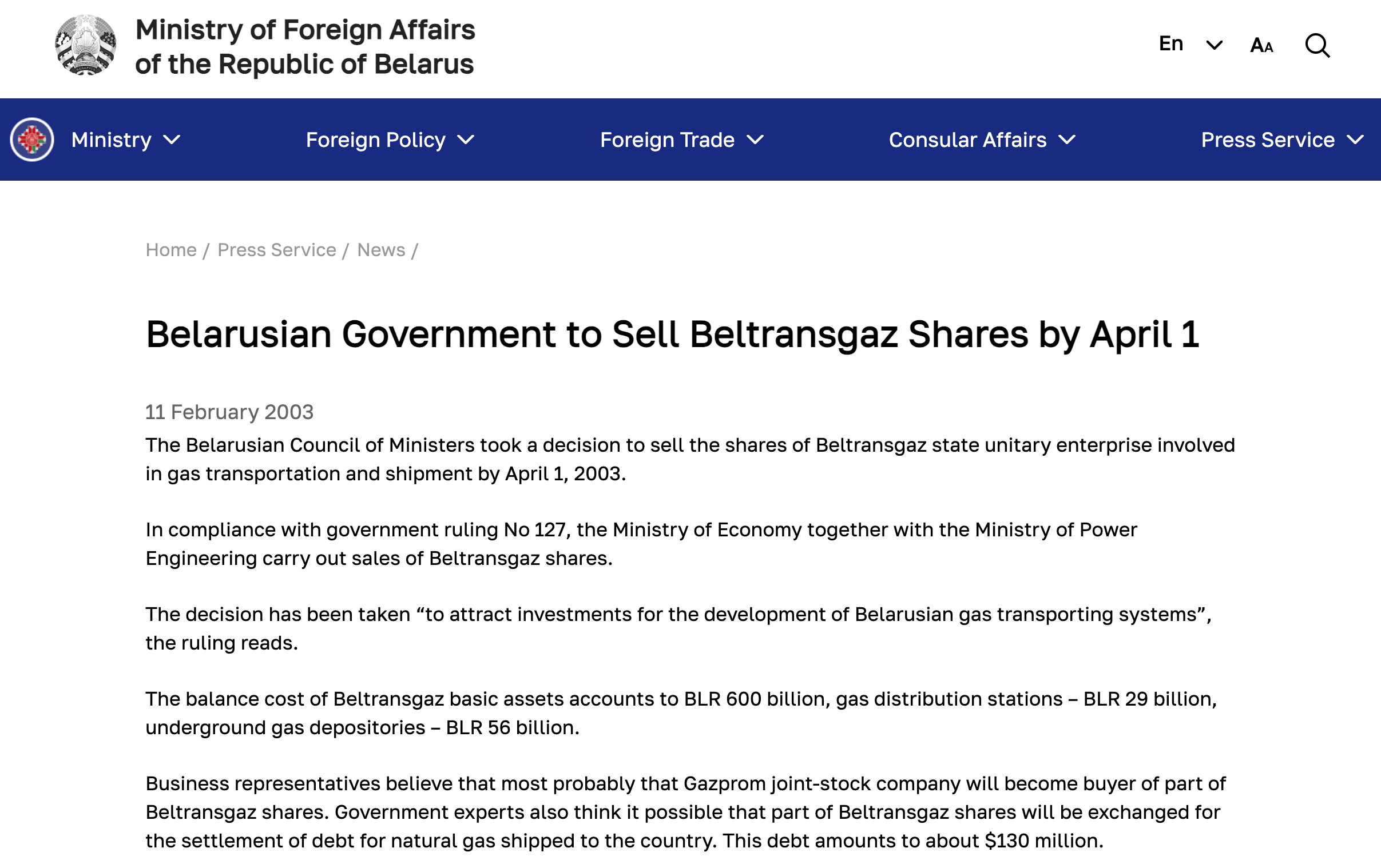
The system worked as long as Russia was willing to bankroll it. But after 2010, cracks appeared. Moscow demanded concrete concessions in return for continued support. When Belarus resisted, Russia cut subsidies, sparking periodic energy crises and economic shocks. In one notable episode, Gazprom demanded ownership of the Belarusian gas pipeline system (Beltransgaz) in exchange for continued discount pricing. Lukashenko ultimately ceded the asset. This was one of many small but irreversible sovereignty losses.
The 2020 Uprising

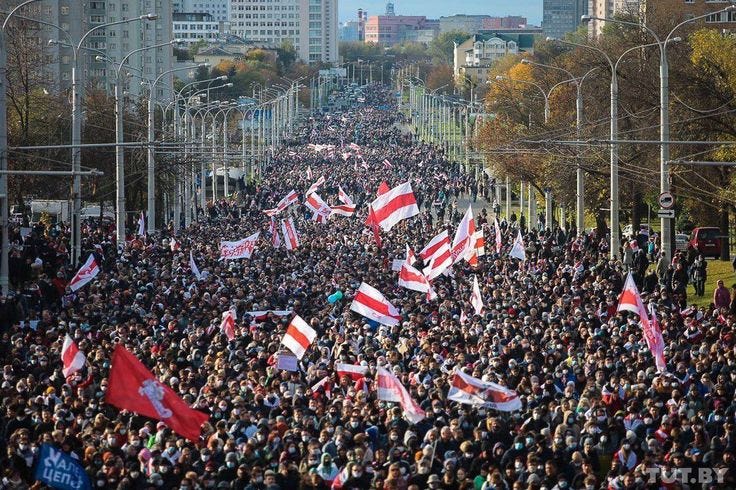
The 2020 election was a turning point. After years of managed elections, Lukashenko’s claim to have won 80% of the vote sparked mass disbelief. The ensuing protests were unprecedented in scale and intensity. What made them especially threatening to the regime was not just their size, but their composition: middle-class Belarusians, IT workers, retirees, and students united in rejecting the political status quo.
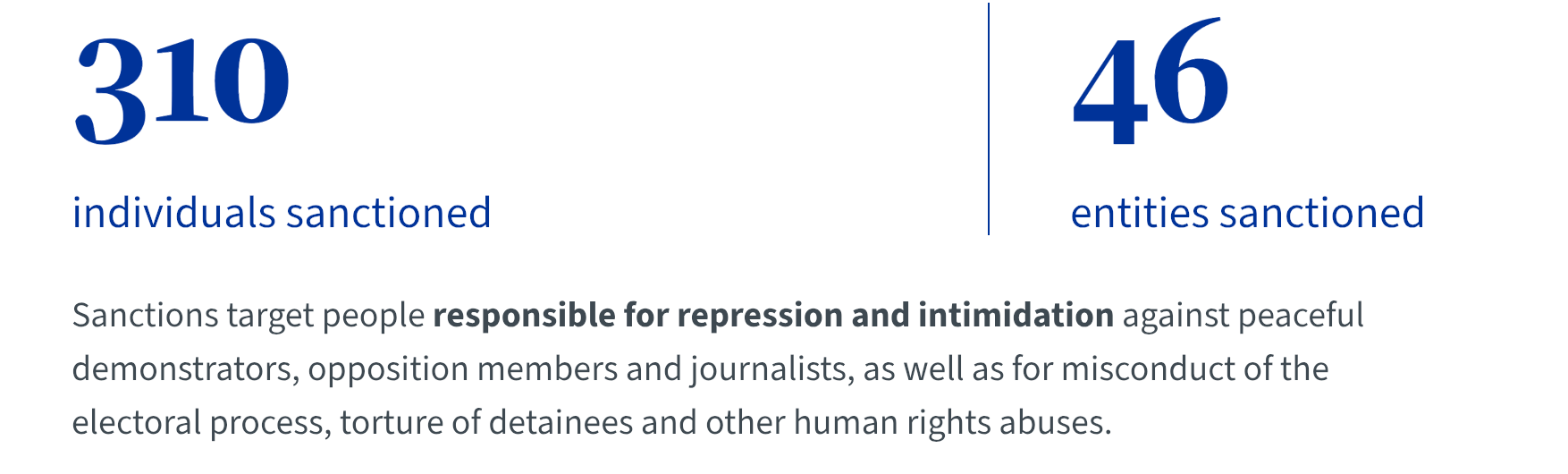
The regime responded with overwhelming force. Thousands were detained, tortured, or exiled. Independent media were shut down. Protest leaders were either jailed or driven abroad. Within months, the streets were quiet again. But the cost was steep: Lukashenko had permanently alienated the West. EU and U.S. sanctions followed, targeting key sectors of the economy and the regime’s inner circle.
Isolated and under pressure, Lukashenko turned to Putin. This was not new, but the scale of dependency was. In exchange for rescuing the regime, Russia began extracting meaningful strategic concessions. The old game was over: Lukashenko was no longer bargaining from a position of leverage, but from desperation.
Military Absorption
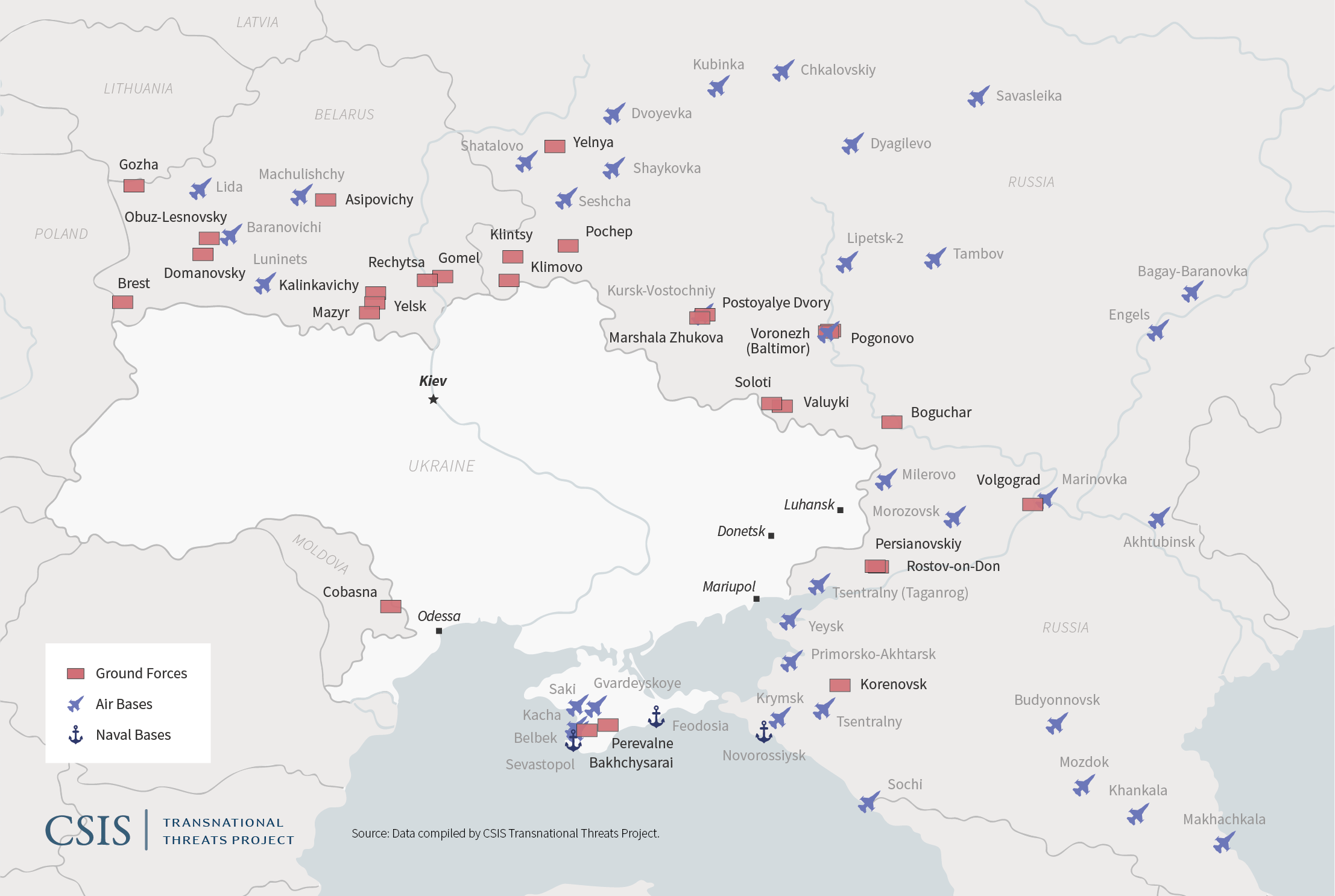
Since 2020, military integration has accelerated rapidly. In February 2022, Belarus allowed Russia to use its territory as a launchpad for the full-scale invasion of Ukraine, giving it the fastest route possible to Kyiv. Troops crossed the border from Belarusian staging grounds. Missiles were launched from Belarusian airspace. Belarusian hospitals treated Russian wounded. The country became a de facto forward operating base.
But that was just the beginning. In 2023, Russia began stationing tactical nuclear weapons in Belarus. Although Russia retains control of the warheads, this marks a historic shift: for the first time since the Cold War, Russian nukes are based outside Russia. Belarus formally abandoned its non-nuclear status to permit this.
The military command structure has also merged. Belarus and Russia now operate joint task forces under the Union State framework. Russian troops are stationed permanently in Belarus, under the pretext of joint exercises. Belarusian air defense, communications, and logistics are integrated into Russia’s strategic planning. Analysts now speak of Belarus as a new Russian military district in all but name.
This changes the security map of Europe. NATO can no longer treat Belarus as a buffer or neutral zone. It is part of the Russian military sphere, with implications for Poland, the Baltic states, and Ukraine’s northern flank.
Sanctions, Substitution, and Silent Capture
The Belarusian economy has long been dominated by the state. That makes it structurally dependent on external support. After 2020, Western sanctions hit the major export sectors: potash fertilizers, oil products, and machinery. Belarus lost access to Western financial markets, insurance, and transport corridors.
Russia stepped in, but not for free. It provided loans, transit routes, and market access. But in doing so, it tightened its grip. By 2024, over 70% of Belarus’s exports went to or through Russia. Key sectors like electronics, IT, and heavy industry are now embedded into Russian wartime supply chains. Belarusian firms produce components for Russian cruise missiles and tanks. Sanctions have driven integration deeper.
Financial sovereignty has eroded too. The Belarusian ruble is pegged to a Russian-dominated currency basket. Russian payment systems and banks have taken over market share. Debt to Russian institutions now exceeds $8 billion. Belarus no longer has room to maneuver.
China, often cited by Lukashenko as an alternative partner, has played a minimal role. Investment is small, targeted, and cautious. For all the Belt and Road rhetoric, China will not underwrite Belarusian survival. That job belongs to Moscow alone.
Hybrid Tactics and the Weaponisation of Borders
Belarus has also adopted Russia’s playbook of “hybrid warfare.” In 2021, it engineered a migrant crisis on the EU border by flying in people from the Middle East and pushing them toward Poland and Lithuania. It was a calculated attempt to overwhelm European border infrastructure and extract concessions.
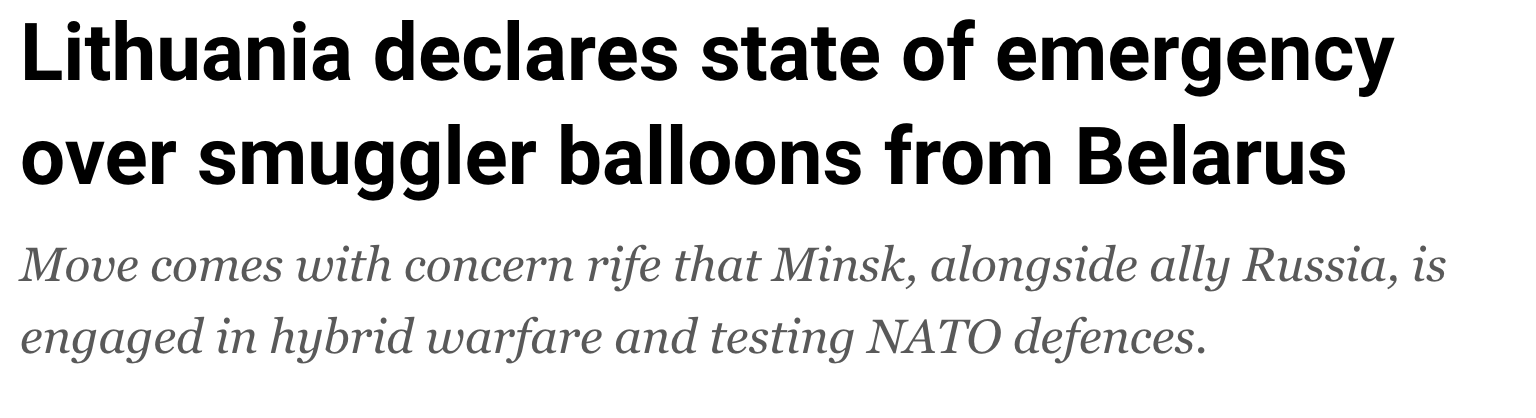
In 2025, this week, Belarus launched balloons across the Lithuanian border, nominally for smuggling, but clearly designed to provoke airspace closures and confusion. Drones have also entered Polish and Lithuanian skies, testing NATO response times. These tactics allow Belarus to export instability while maintaining deniability.
The strategy here is not conquest, but disruption. Belarus’s geography makes it a pressure point. Its role in regional security has flipped: from buffer state to geopolitical irritant.
Why This Matters: The Future of Belarus and Europe
Belarus is no longer a truly sovereign actor. Its leadership survives because Moscow wills it. Its economy runs on Russian support. Its military serves Russian strategic aims. Its borders are used to destabilise the EU. This isn’t a hypothetical scenario of creeping influence. It has already happened.
For Belarus, the internal costs are enormous: a generation of political prisoners, a brain drain of IT professionals and students, a population increasingly atomised and surveilled. For its neighbors, Belarus now represents a vector of risk. NATO has to factor Belarus into its eastern defense posture. Ukraine must monitor its northern border constantly. The EU faces a hostile regime on its doorstep, armed with drones, leverage, and Russian backing.
And for Russia, it’s a win. Control without annexation. Power without the cost of occupation. A satellite state with plausible deniability.
The final tragedy is that none of this reflects the will of the Belarusian people. The 2020 protests showed a population ready for change. That energy was crushed, but it hasn’t disappeared. Belarus’s fate now rests not only on what happens in Minsk, but on what happens in Moscow, Kyiv, Warsaw, and Brussels.